
Every year, Dubai hosts some of the world’s biggest events — the Dubai World Cup, GITEX, the Dubai Airshow, and countless private summits with heads of state and global business leaders. Behind the scenes, security teams work around the clock to make sure nothing goes wrong.
But what does close protection really mean at a high-profile event? And how is it different from just hiring a bodyguard?
Let’s walk through how it all works from planning to execution.
What Is Close Protection?
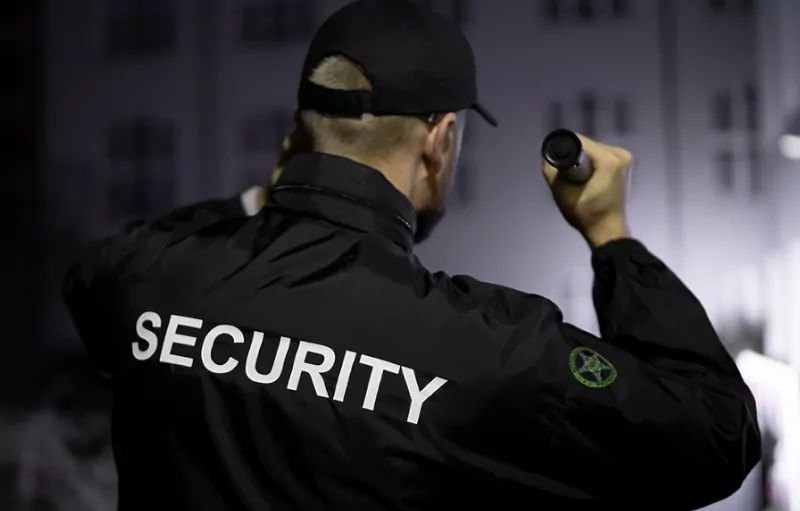
Close protection is a type of security service that focuses on keeping a specific person or group of people safe. We often call it executive protection or VIP protection. The people doing this job are called close protection officers (CPOs) or sometimes bodyguards, though the word “bodyguard” undersells how much work is involved.
A close protection officer does a lot more than stand next to someone. They plan routes, check venues, communicate with local police, and train for emergencies. At a big event, you might have an entire close protection team working together — each person with a specific role.
Why High-Profile Events Need Special Security Planning
Think about what makes a large public event risky. You have crowds. You have high-value targets. You have multiple entry and exit points. You have media attention. All of this creates more chances for something to go wrong.
According to the Global Peace Index 2023, the UAE ranks among the top 50 safest countries in the world. But that doesn’t mean event security teams take shortcuts. In fact, the UAE’s reputation for safety is partly because private security companies here take planning very seriously.
A single security failure at a major event can damage a country’s reputation and put lives at risk. That’s why the planning process starts long before the event date.
The Planning Phase: Where Security Really Begins
Most of the work in close protection happens before the event even starts.
Advance work is the term security teams use for all the research and preparation done ahead of time. This includes:
Visiting the venue to check entry and exit points. Mapping the fastest route from the venue to the nearest hospital. Identifying potential threats in the area. Meeting with local police and event staff. Setting up communication channels between all security team members.
When a VIP is attending a big event in Dubai — say, a product launch at a luxury hotel in Downtown Dubai or a conference at the Dubai World Trade Centre — the close protection team will often visit the venue two or three days before. They walk the full route the VIP will take, test communications, and sometimes even sit in the exact seats where the VIP will be.
This level of preparation is what separates professional close protection from basic security.
How a Close Protection Team Is Structured
At a high-profile event, close protection doesn’t usually mean just one person. It means a whole team, each playing a different part.
| Role | Responsibility |
|---|---|
| Team Leader / Detail Leader | Oversees the whole operation, makes quick decisions |
| Advance Agent | Arrives early, checks venue and routes |
| Personal Protection Officer (PPO) | Stays closest to the VIP at all times |
| Driver | Handles secure transport, trained in evasive driving |
| Communications Officer | Manages radios, earpieces, and contact with outside teams |
| Counter-Surveillance Officer | Watches for anyone watching the VIP |
In Dubai and across the UAE, close protection teams often work alongside event security companies and sometimes coordinate with INTERPOL or local Dubai Police units when a foreign dignitary is involved.
During the Event: What CPOs Actually Do
Once the event starts, close protection officers are in what the industry calls “active mode.” Their job is to stay calm, stay alert, and keep the VIP moving safely.
The PPO — the personal protection officer who stays closest to the client — is always within arm’s reach. They stand at a specific angle so they can see threats coming from the front and sides. If the VIP stops to talk to someone, the PPO stays close but tries not to make the interaction feel awkward.
Other team members are spread around the room. The counter-surveillance officer might stand near the entrance, watching to see if anyone is paying unusual attention to the VIP. The team leader is usually talking quietly into an earpiece, coordinating the group.
If a threat appears — even something as simple as an angry crowd or a medical emergency — the team has a plan ready. They move the VIP to what’s called a “safe haven.” This is a pre-chosen room or area that was identified during the advance work phase.
A 2022 report by the Security Industry Authority (SIA) in the UK found that teams who practiced evacuation drills at least once per event were 60% faster at reaching safe positions during real incidents. That number shows why rehearsal is such a big part of close protection work.
Transport and Motorcades at Dubai Events
Getting a VIP safely from point A to point B is often the most dangerous part of any event. Most attacks on high-profile individuals happen during transit — not inside venues.
In Dubai, VIP transport usually involves armored vehicles or luxury SUVs with reinforced glass. The driver is trained in what security teams call “protective or evasive driving.” This means knowing how to get out of a traffic jam fast, how to handle a vehicle if someone tries to block the road, and how to reach a hospital quickly.
For very high-profile events — think a state visit or a summit with multiple heads of government — Dubai Police often provide a motorcycle escort. The route is cleared ahead of time, and the motorcade travels at a consistent speed to avoid predictable stops.
How Close Protection Works Differently in Dubai
The UAE has some unique factors that shape how close protection works at events here.
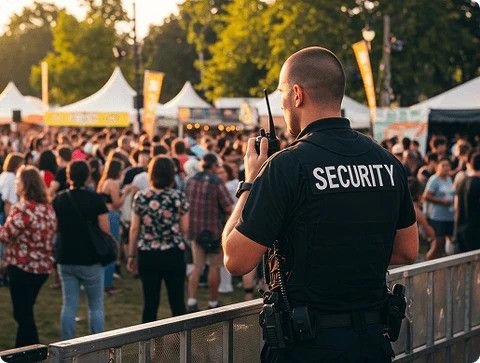
First, the culture. Dubai is a multicultural city where events often involve guests from dozens of different countries. Close protection teams sometimes need officers who speak multiple languages — Arabic, English, Russian, Mandarin, and Hindi are all common at major events here.
Second, the locations. Events in Dubai happen everywhere — on the Palm Jumeirah, aboard luxury yachts, in the desert at private camps, and in sky-high skyscrapers with unusual layouts. Each location needs a different security plan.
Third, the legal framework. Private security companies in the UAE are regulated by the Security Industry Regulatory Agency (SIRA). All close protection officers working in Dubai must be SIRA-certified. This keeps standards high and filters out unqualified operators.
The Role of Technology in Close Protection Today
Modern close protection teams use a mix of old-school skills and new tools.
Drones are used at large outdoor events to give security teams a view of the crowd from above. Facial recognition cameras are in place at several major Dubai venues. Body-worn cameras help CPOs document any incidents in real time.
Communication tools have also improved. Teams now use encrypted radio systems and secure apps so that no one can intercept their messages during an event.
But technology is just a support tool. Good judgment, fast thinking, and teamwork are still the core of what makes close protection work.
What Makes a Good Close Protection Officer?
Not everyone is cut out for this job. The best CPOs share a few common traits.
They stay calm under pressure. They’re good at reading people and situations. They’re physically fit but not aggressive. They know when to step in and when to hold back. And they’re good communicators — both with their team and with the client.
In Dubai, many CPOs come from military or police backgrounds. The UAE Armed Forces and Dubai Police both train officers in protection skills. Private security companies here also hire ex-special forces personnel from the UK, US, and other countries.
Training for close protection in the UAE often includes first aid and trauma care, unarmed defensive tactics, weapons handling (for those with the right permits), threat assessment, and surveillance detection.
What Clients Should Know Before Hiring Close Protection for an Event
If you’re organizing a high-profile event in Dubai or the UAE and you need close protection services, here are a few things to think about.
Start early. The planning phase takes time. Don’t call a security company a week before your event and expect proper close protection. Give the team at least two to four weeks for a mid-sized event, and longer for anything involving multiple high-value guests.
Be honest about the threat level. Security teams can only plan for what they know. Share information about any previous threats, known rivalries, or sensitive topics connected to the event.
Check credentials. Every close protection company and officer working in Dubai should be registered with SIRA. Ask for proof before signing any contract.
Communicate clearly. The VIP and their personal team should know the security plan. Surprises during an event create confusion, and confusion creates risk.
FAQ: Close Protection at High-Profile Events
1. What is the difference between close protection and a bodyguard?
A bodyguard usually means one person standing near someone. Close protection is a full security system — a team, a plan, and a process. The term “bodyguard” is informal; close protection is the professional standard.
2. How much does close protection cost at an event in Dubai?
Costs vary widely depending on the number of officers, the length of the event, and the threat level. A basic two-officer detail for a one-day event might start around AED 3,000–5,000. A full team for a multi-day summit can run significantly higher.
3. Do I need close protection for a private event?
It depends on who is attending and what the risk level is. High-net-worth individuals, public figures, and anyone who has received threats should consider professional close protection even for private events.
4. Is close protection legal in Dubai for foreigners?
Yes, but the officers must be SIRA-certified. Foreign security companies sometimes work in the UAE but must follow local regulations.
5. What is advance work in close protection?
Advance work means visiting the venue and area before the event to check for risks, plan routes, and coordinate with local police and event staff.
6. Can close protection officers carry weapons in Dubai?
Firearms are strictly regulated in the UAE. Most private CPOs do not carry weapons. Only officers with specific government permits are allowed to do so.
7. How do close protection teams handle medical emergencies?
All professional CPOs are trained in first aid. During advance work, they identify the nearest hospital and clear a route to it. Some high-risk details include a medical officer in the team.
8. What is a safe haven in close protection?
A safe haven is a pre-chosen location — usually a secure room or area — where the VIP can be taken quickly if a threat appears.
9. How do close protection teams communicate during events?
They use encrypted radios and earpieces. For large events, they may also use secure mobile apps and have a communication officer managing all channels.
10. What happens if there’s a protest or crowd surge at an event?
The team moves the VIP away from the crowd using the pre-planned route. If that’s blocked, they go to the nearest safe haven and wait for the situation to clear.
11. Do close protection teams work with Dubai Police?
Yes, especially for events involving foreign dignitaries or state visits. Dubai Police and private security companies often coordinate closely during major events in the UAE.
12. How do I check if a close protection company in Dubai is legitimate?
Check their SIRA registration. You can verify this through the Security Industry Regulatory Agency website. Always ask for documentation before hiring.